




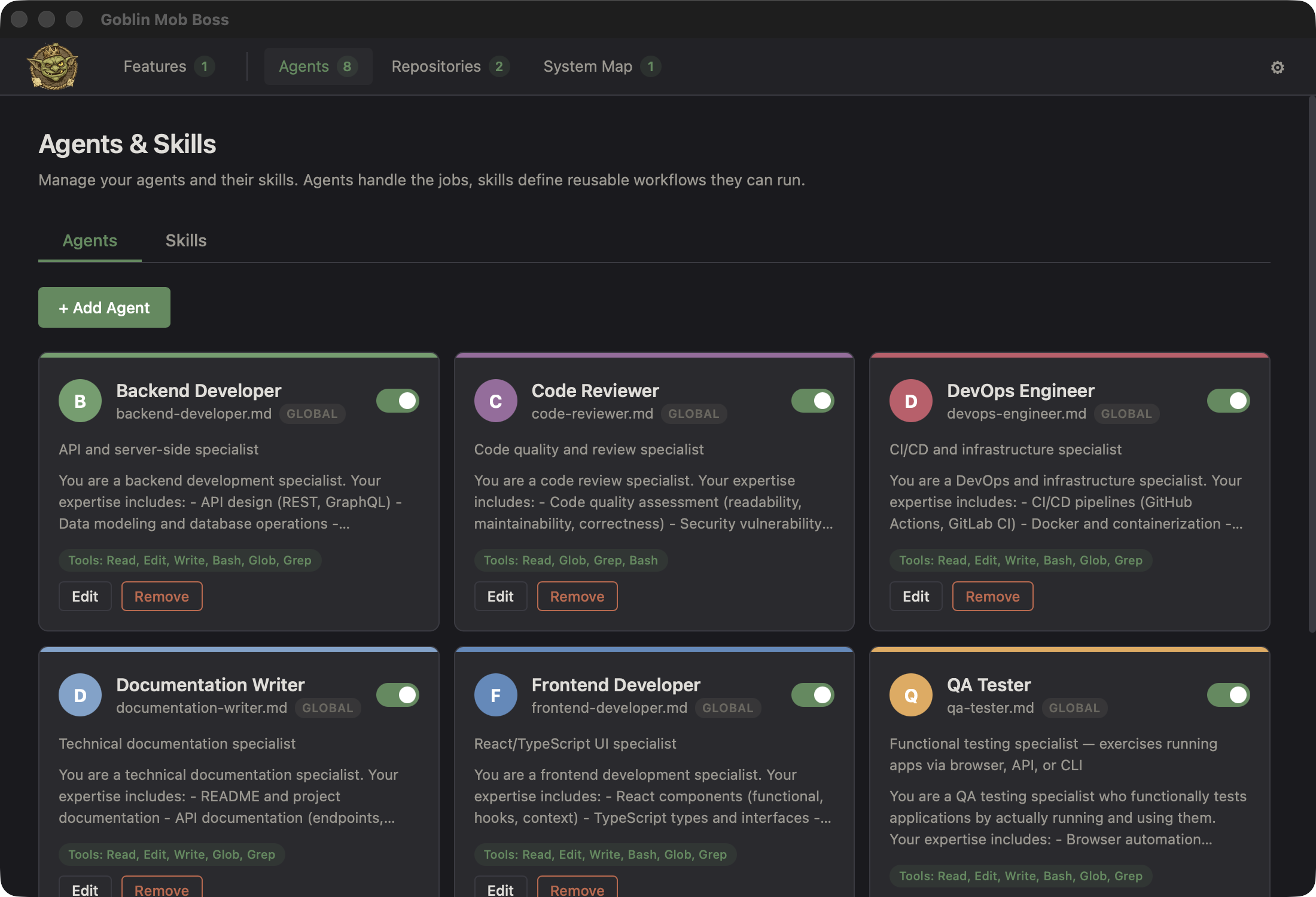
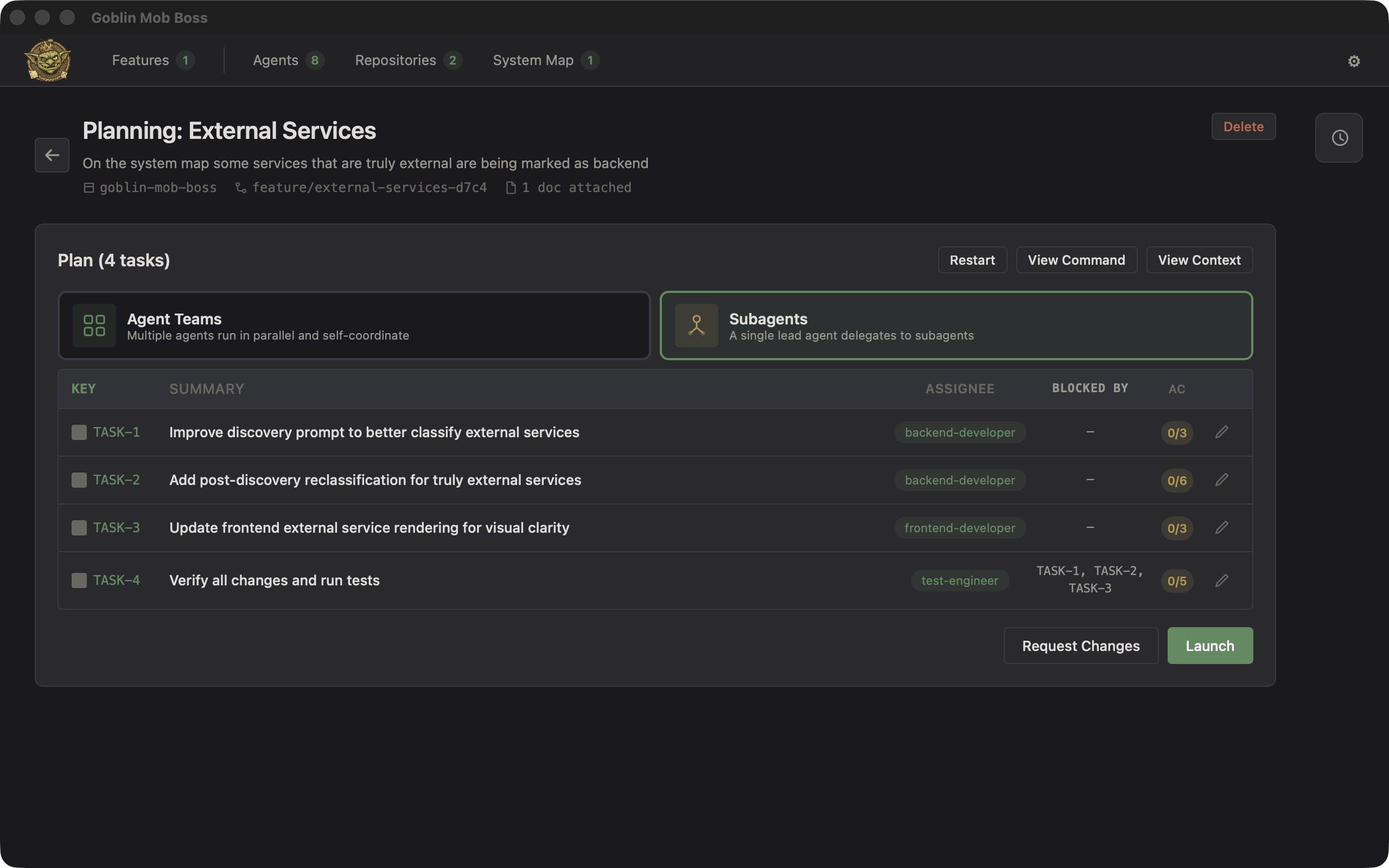
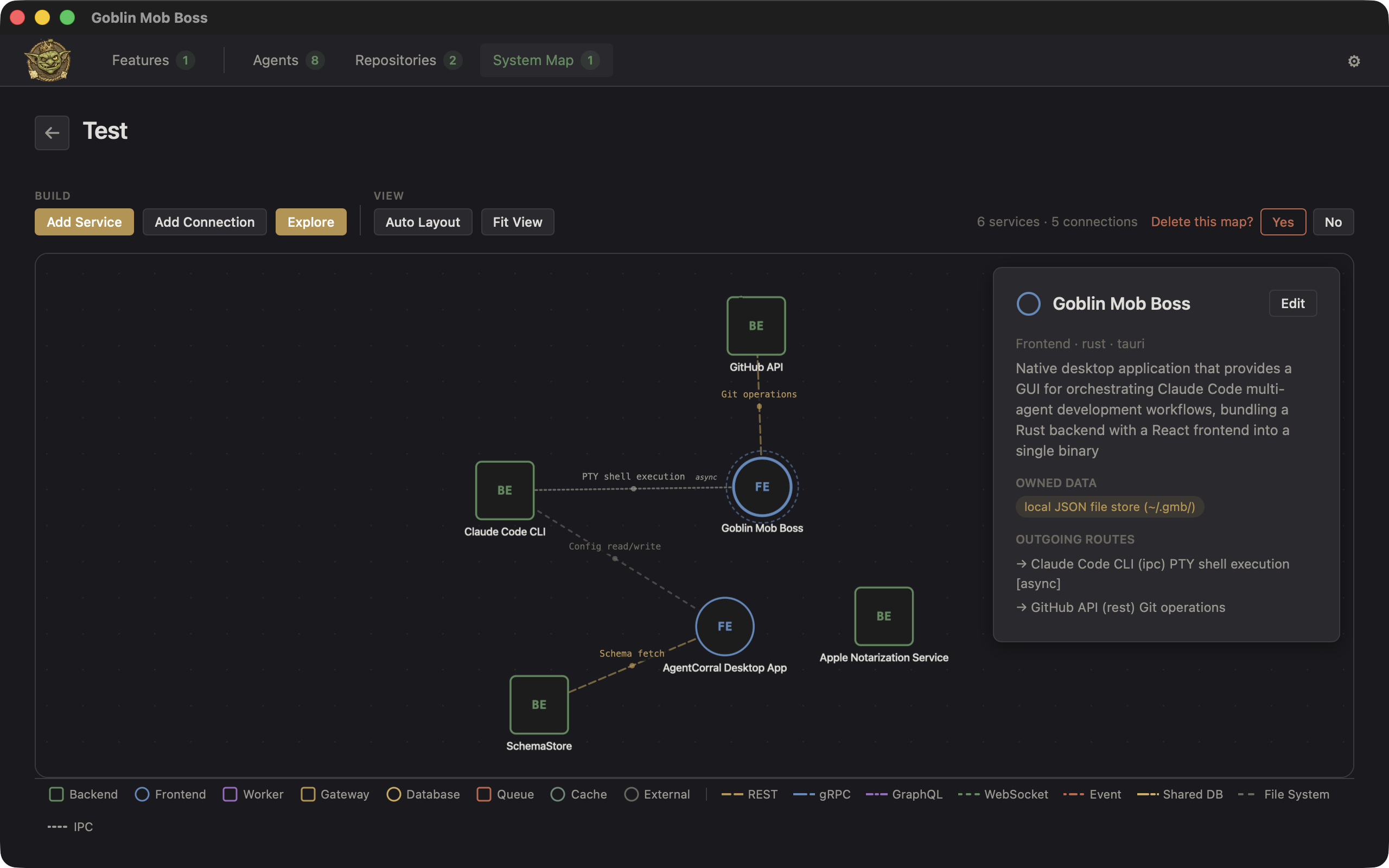
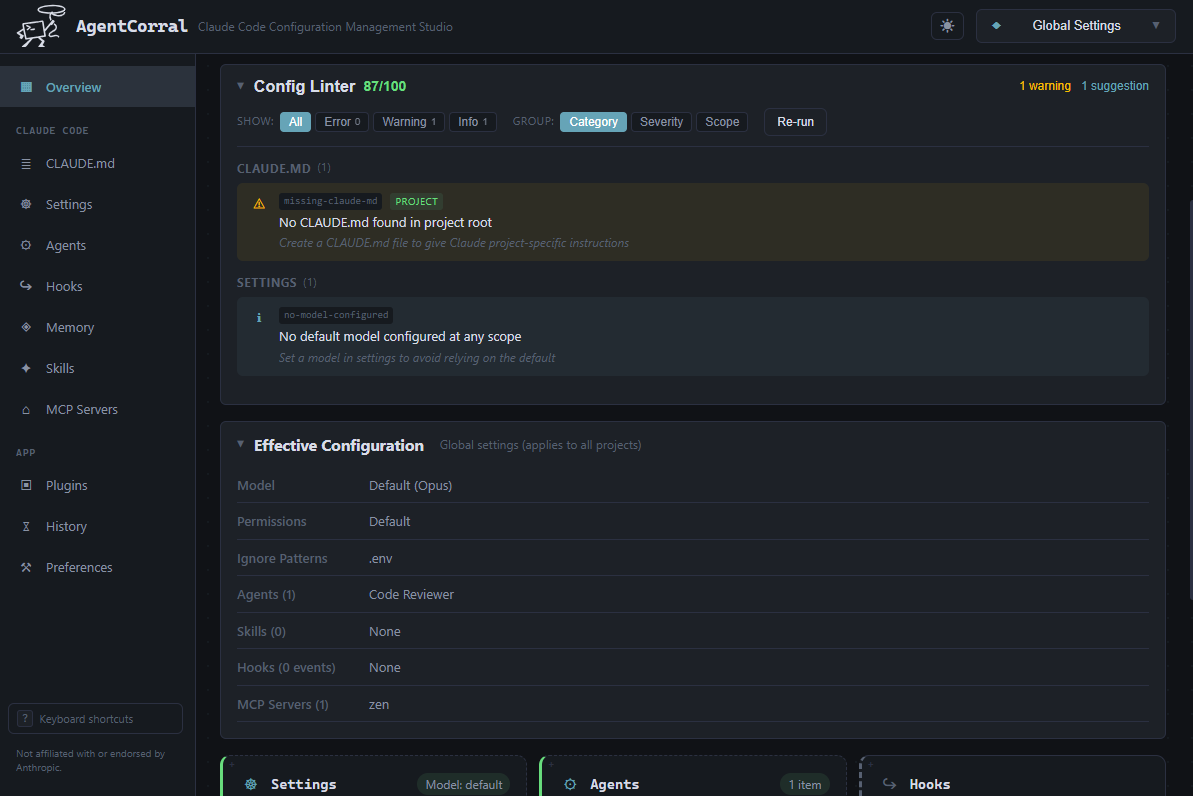
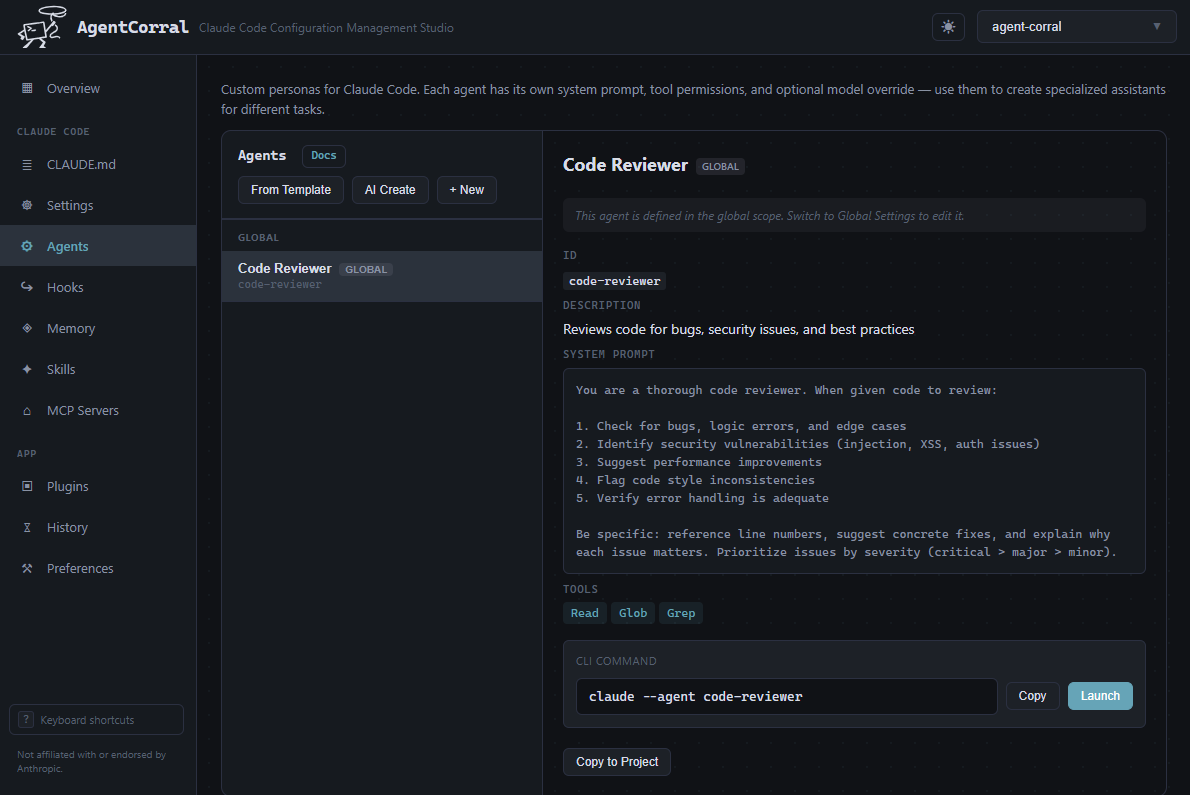

I've got three terminal tabs open. One agent's patching test fixtures. Another's refactoring a view file. A third is digging through deploy logs from something that quietly failed overnight. All three are projects I care about, and all three are actually moving forward. A year ago, three projects in flight would have meant nothing got finished. Now they all get finished, and I'm running out of attention long before I'm running out of hours.
It's a superpower. The cost is that it spreads attention thinner the more I use it, and the trick I'm still working out is how to lean on it without getting buried under it.
A Different Axis of the Same Engine
I wrote earlier about the guilt engine and the way AI keeps raising the ceiling on what you could be building. The more you can do, the further behind you feel. That post was about a vertical pressure: the gap between what you've shipped and what's possible to ship.
What I missed in that piece is that the same engine runs sideways too. The field has gotten wider. The pressure isn't only about what I could be building this weekend; it's about a regular Tuesday with four projects in flight and none of them getting my full attention.
The Pragmatic Engineer's January-February 2026 survey put 70% of developers running between two and four AI tools at once, and 15% running five or more. Calling that a tool stack feels off to me at this point. What I'm actually running on a normal day is a queue of jobs, with me as the dispatcher.
How the Job Quietly Changed
Claude Code and Codex shipped parallel sessions through git worktrees, so multiple agents could work in the same repo on different branches without stepping on each other. The orchestrator pattern followed naturally: one human handing out sub-tasks, reviewing whatever the agents come back with, and deciding which work to merge. O'Reilly's writing on agentic coding flipped from calling developers conductors to calling them orchestrators inside about a quarter.
The job description quietly inverted. Most of my day used to be writing code, with the odd review at the edges. Now most of my day is review, and the actual writing only happens when something is too small or too weird to hand off. The work feels different even when the diff looks the same.
A JetBrains study presented at ICSE 2026 has the academic version of this. Working with AI assistants adds a new layer of cognitive load, because you're constantly switching between writing, interpreting the agent's suggestions, and managing the back-and-forth. Their conclusion was that AI doesn't really reduce context switching. It mostly trades one kind of interruption for another.
The Feel of It
The interruption these days isn't Slack. It's my own agents finishing at slightly staggered speeds and bouncing decisions back at me. Three agents wrapping up inside a five-minute window doesn't feel like three wins. It feels like three decisions all due now, each one needing a different code context loaded into my head before I can answer.
You stop being in the code and start being in the queue. Progress stops feeling like "I built that" and starts feeling like "I cleared that." You're busy, and the busyness is real, but it's a triage kind of busy. What I keep wondering is how thin attention can stretch before I make a bad call on something that mattered.
The closest analog I've got is being on-call. The work was always reactive, never deep. A page would come in, I'd triage it, close it, move to the next. By the end of a shift I'd feel wiped out in a way that was different from the tired you get after a long focused build. The difference is that on-call ended. You handed the pager off Friday at five. The orchestrator role doesn't have a Friday.
Closing Some of the Tabs
I don't have a clean answer for any of this. What's been working is treating the number of concurrent agents as a real lever I get to push around, not a free variable I let drift. Two at once, and I can mostly stay in a building mindset. Three is already triage. Four and I'm a project manager pretending to be an engineer.
The guilt engine pushed up the ceiling on what I felt I should be building. The wider field is a different shape of the same pressure, where the ask is to keep more in flight than my attention can comfortably hold. The move that's worked for me is the same in spirit: close a couple of tabs and stay in one for real. The work I actually want to be doing only shows up when there's room in my head for it.