

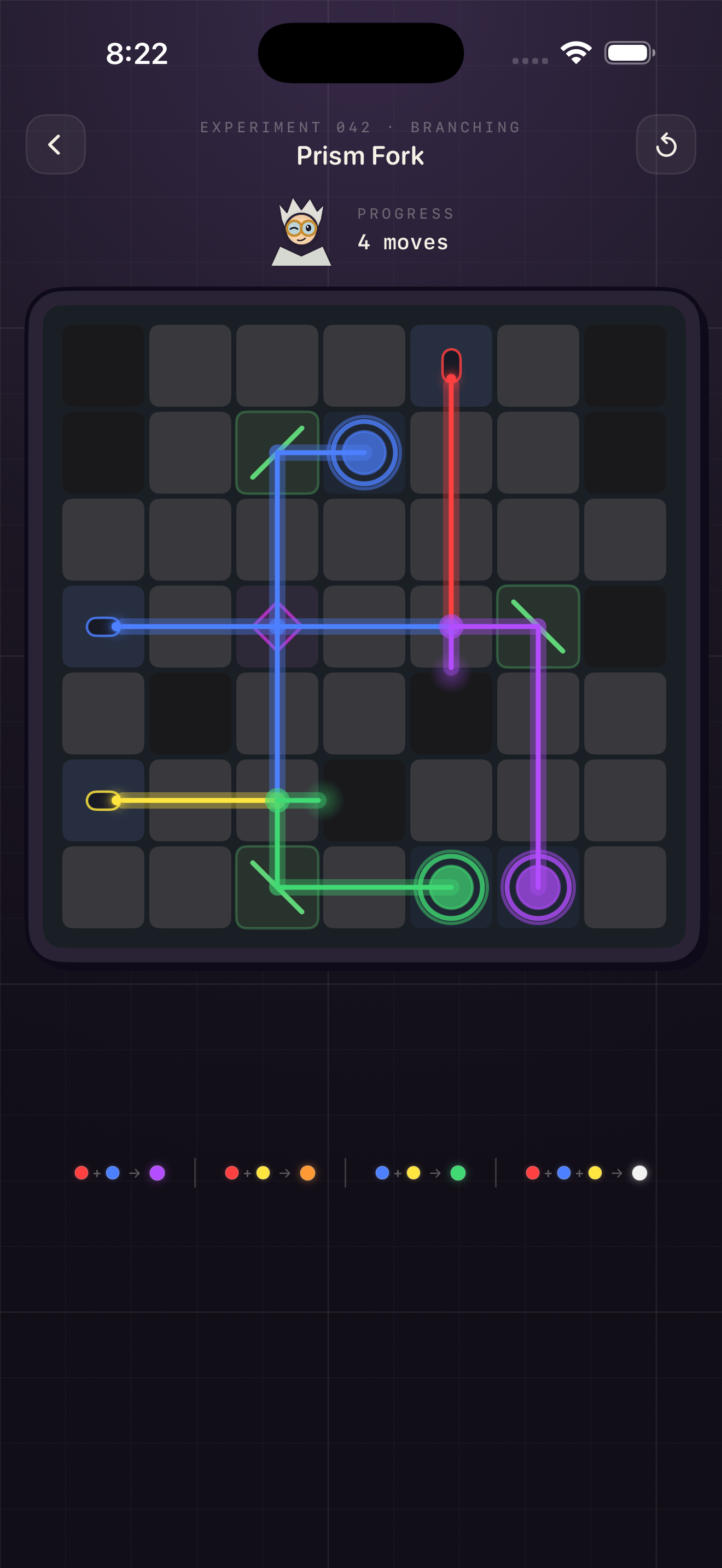
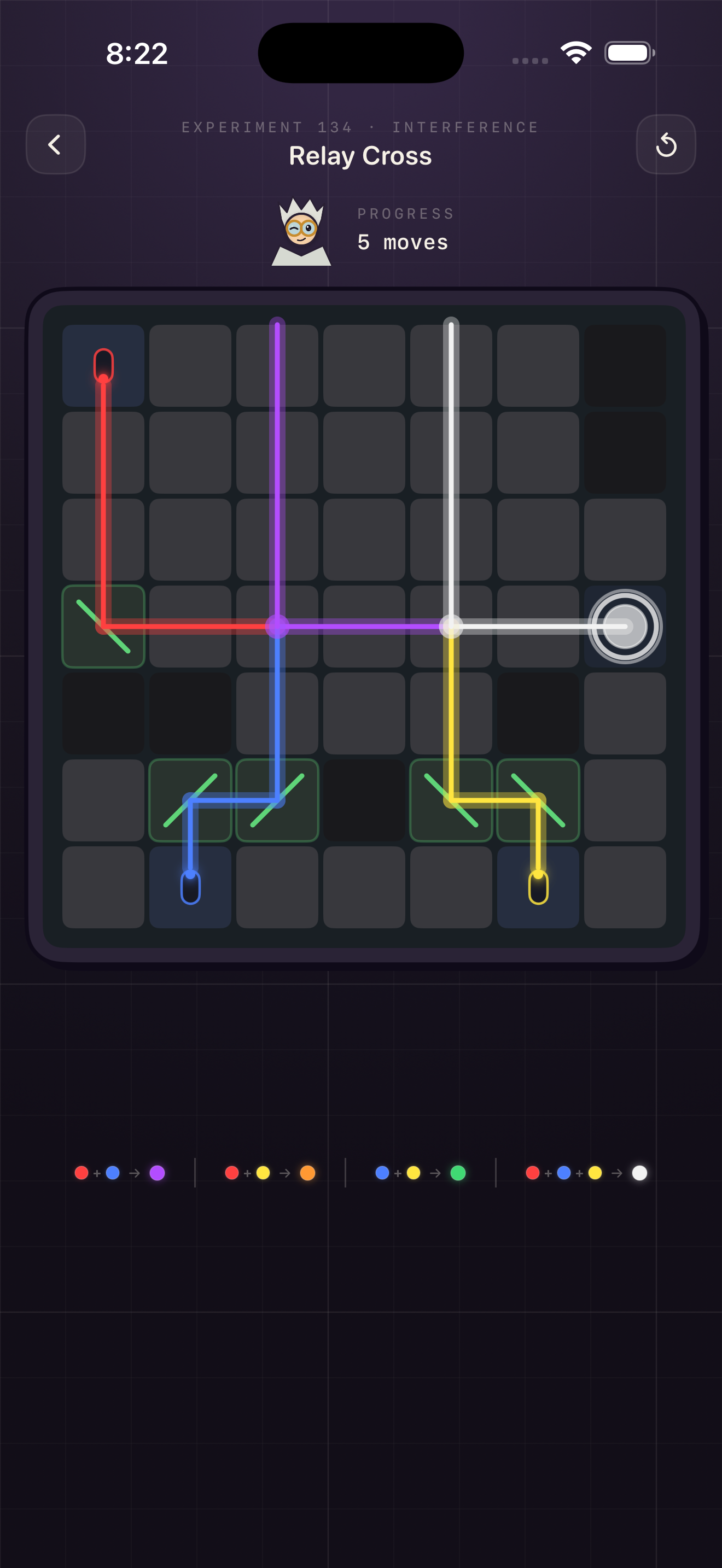




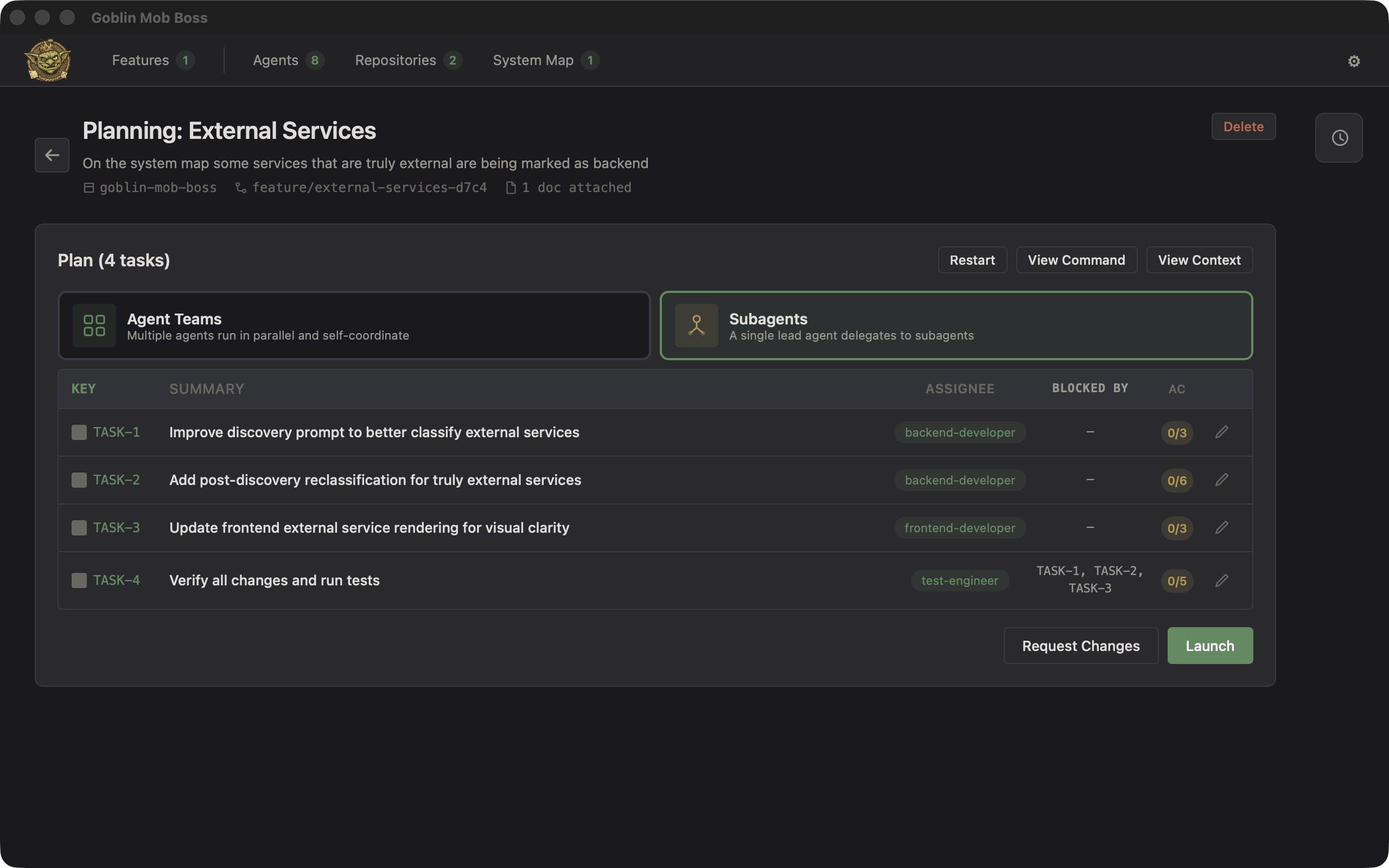
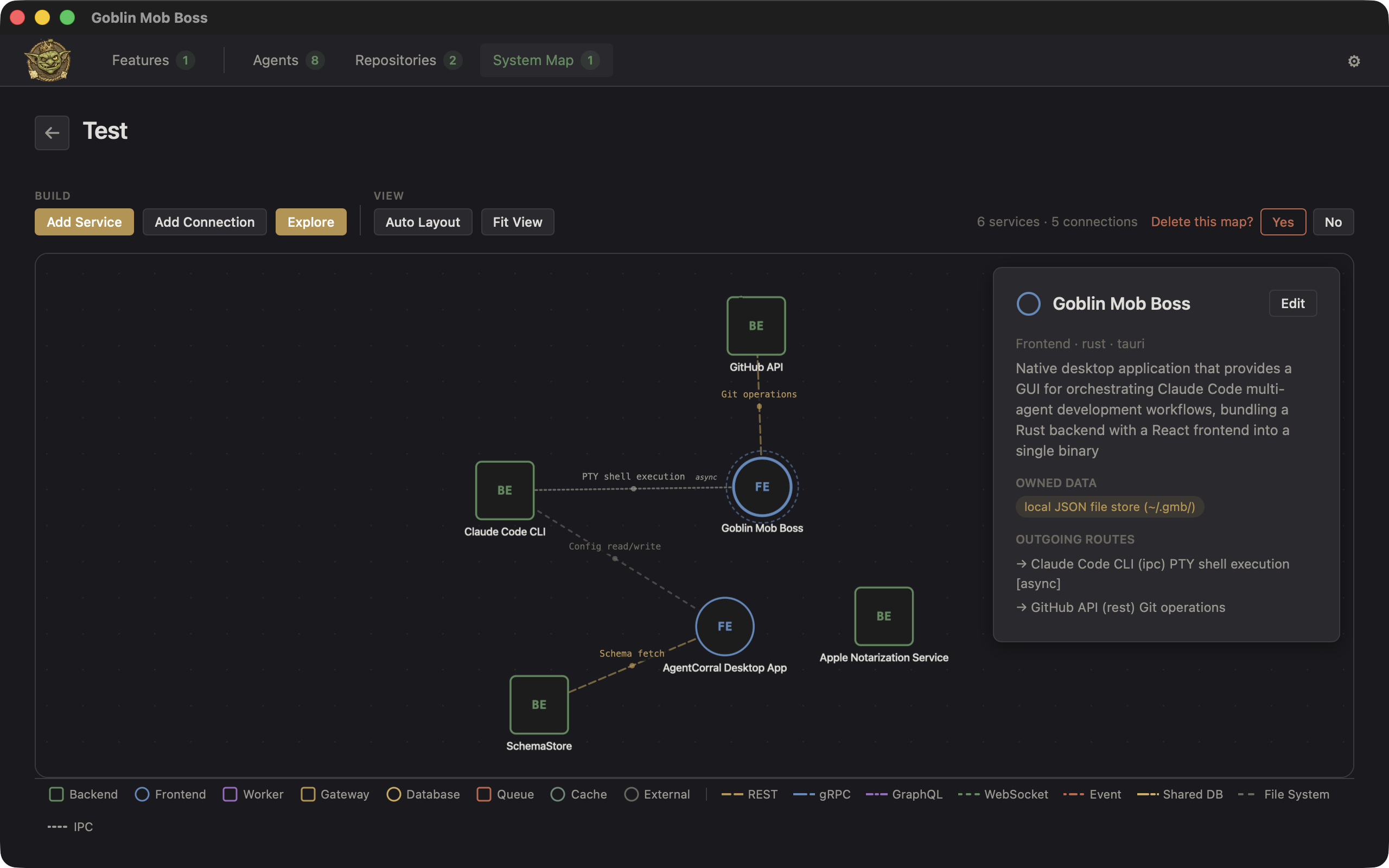

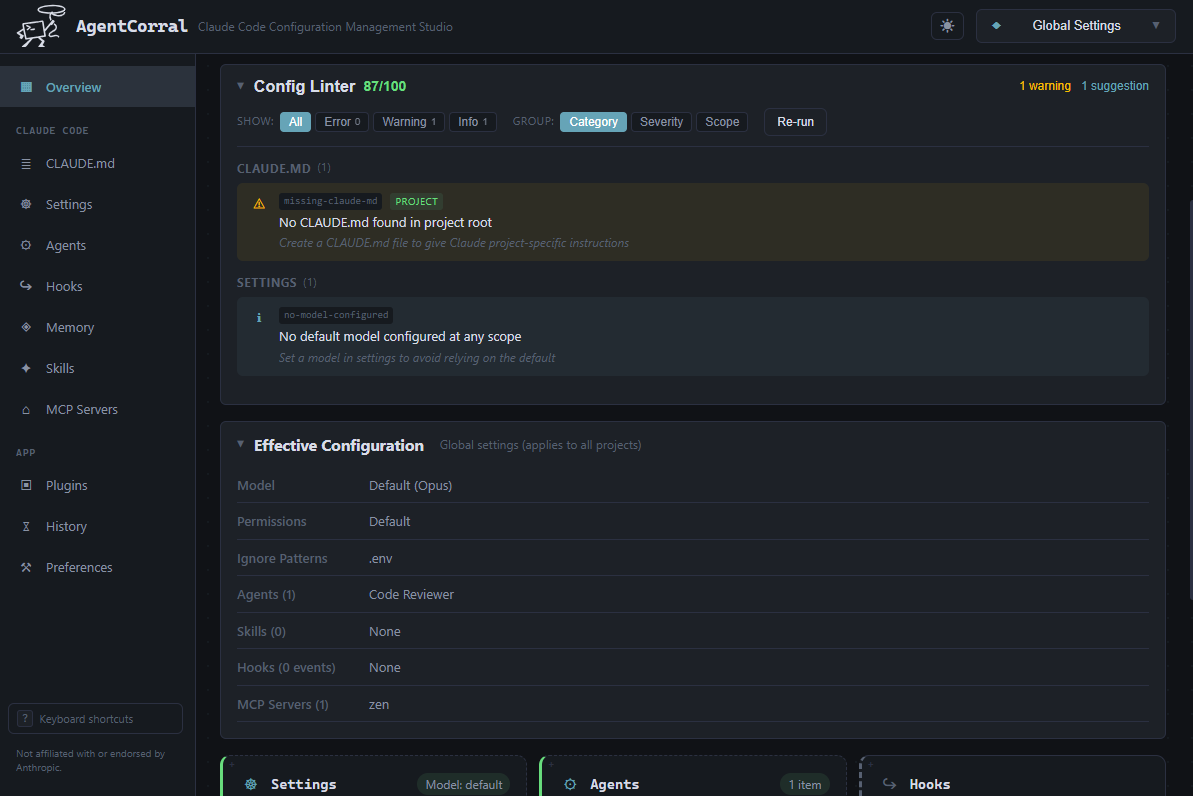
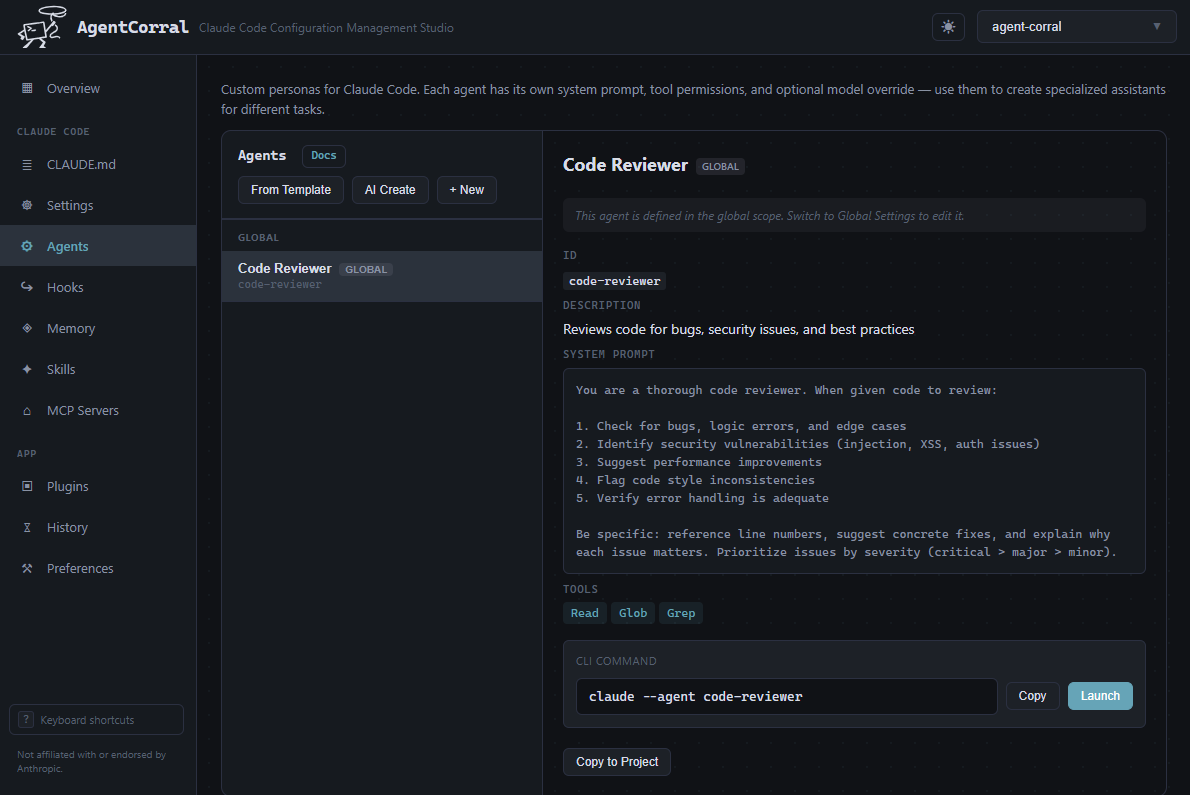

I used to start projects all the time. A weekend would hit, an idea would grab me, and I'd be three hours deep before dinner. The first few sessions were always electric: scaffolding something from nothing, watching the shape of a thing emerge. That part was never the problem.
The problem was everything that came after.
The Graveyard
Every project has a phase where the exciting architecture decisions are done and what's left is the wiring. Writing boilerplate. Debugging CSS that should work but doesn't. Chasing down some obscure config issue for an hour because a dependency updated and the docs haven't caught up. Stitching together the unglamorous plumbing that turns a prototype into something real.
That's where my projects went to die. Not because I lost interest in the idea, but because the ratio flipped. The creative work that pulled me in got buried under the mechanical work that pushed me away. When you have a full-time job, a life, and limited hours to spend on side projects, that ratio matters. A lot.
So I stopped. Not dramatically. I just opened my editor less and less, until one day I realized I hadn't built anything for fun in years.
What Changed
AI coding tools changed the ratio.
That's it. That's the whole thing. The tedious parts didn't disappear entirely, but they shrank enough that the balance tipped back toward the creative work. The boilerplate writes itself. The config issues get diagnosed in seconds instead of hours. The plumbing that used to stall a weekend project for weeks now takes minutes.
I sit down with an idea, describe what I want, and the scaffolding appears. I stay in the zone where I'm making decisions about what the thing should be, not wrestling with how to get the build system to cooperate. The part I actually care about, the design, the architecture, the "what if we tried this" moments, those get almost all of my time now.
A Pragmatic Engineer survey found that 95% of surveyed developers now use AI coding tools weekly or more. That number tells you how universal this shift is. But the statistic I find more interesting is the one you can't measure: how many people like me came back. Builders who drifted away not because they stopped caring, but because the friction won.
Builders at Heart
I think there are a lot of us. People who love making things but got ground down by the parts of making things that aren't actually making things. The gap between having an idea and holding a working version of it used to be filled with days of tedium. Now it's filled with conversation.
That matters more than any productivity metric. Faster code output is nice. Fewer bugs is nice. But getting someone back to building who had given it up? That's a different category of impact entirely.
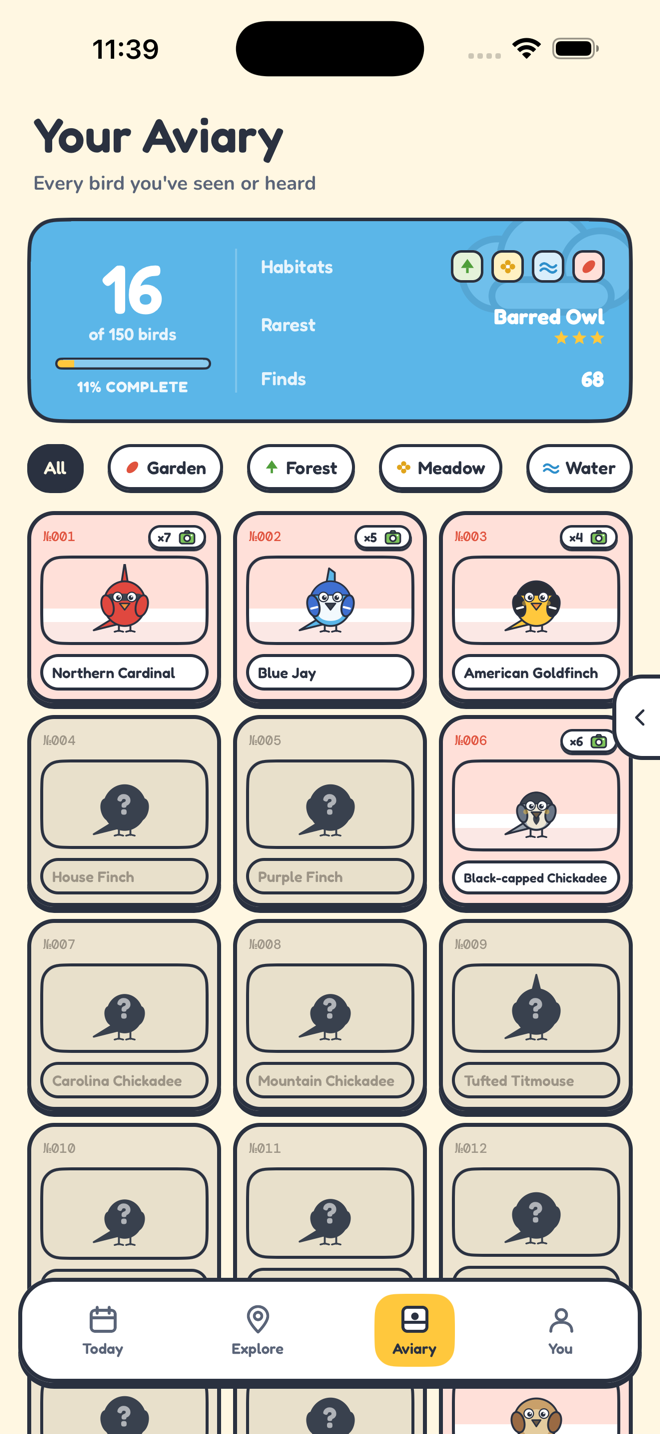
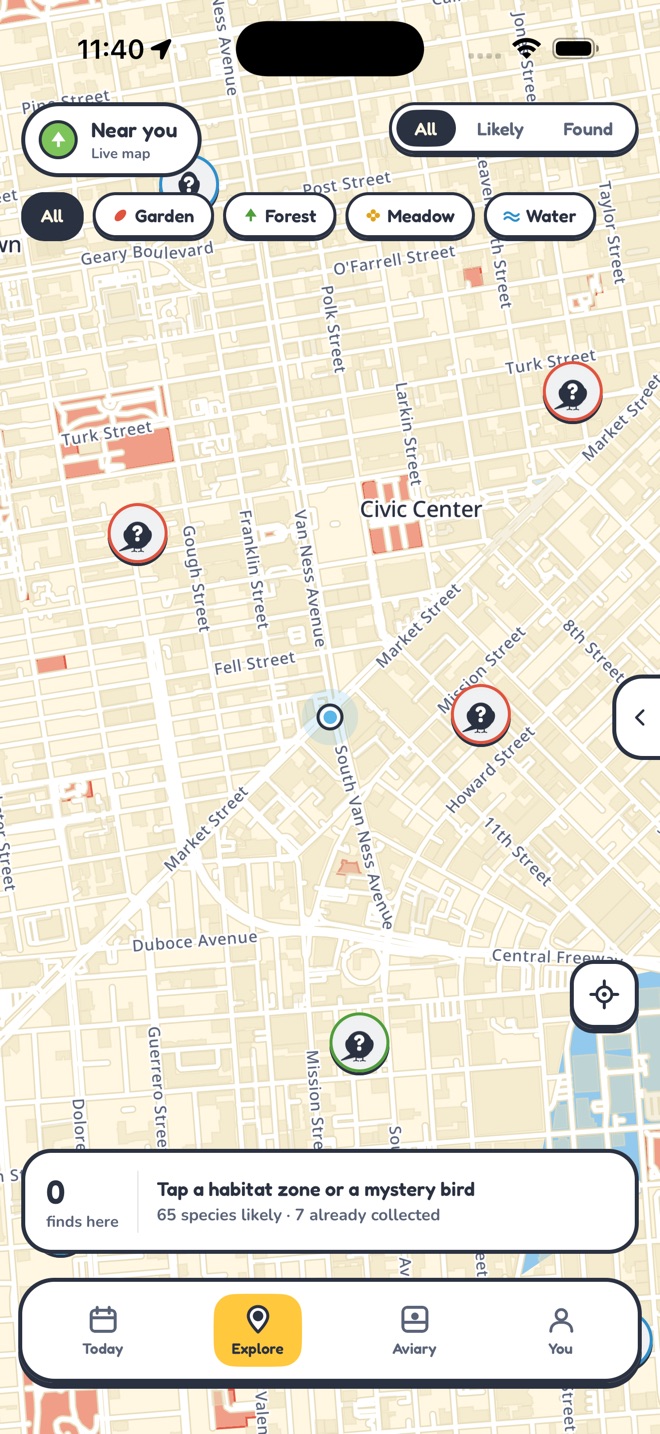
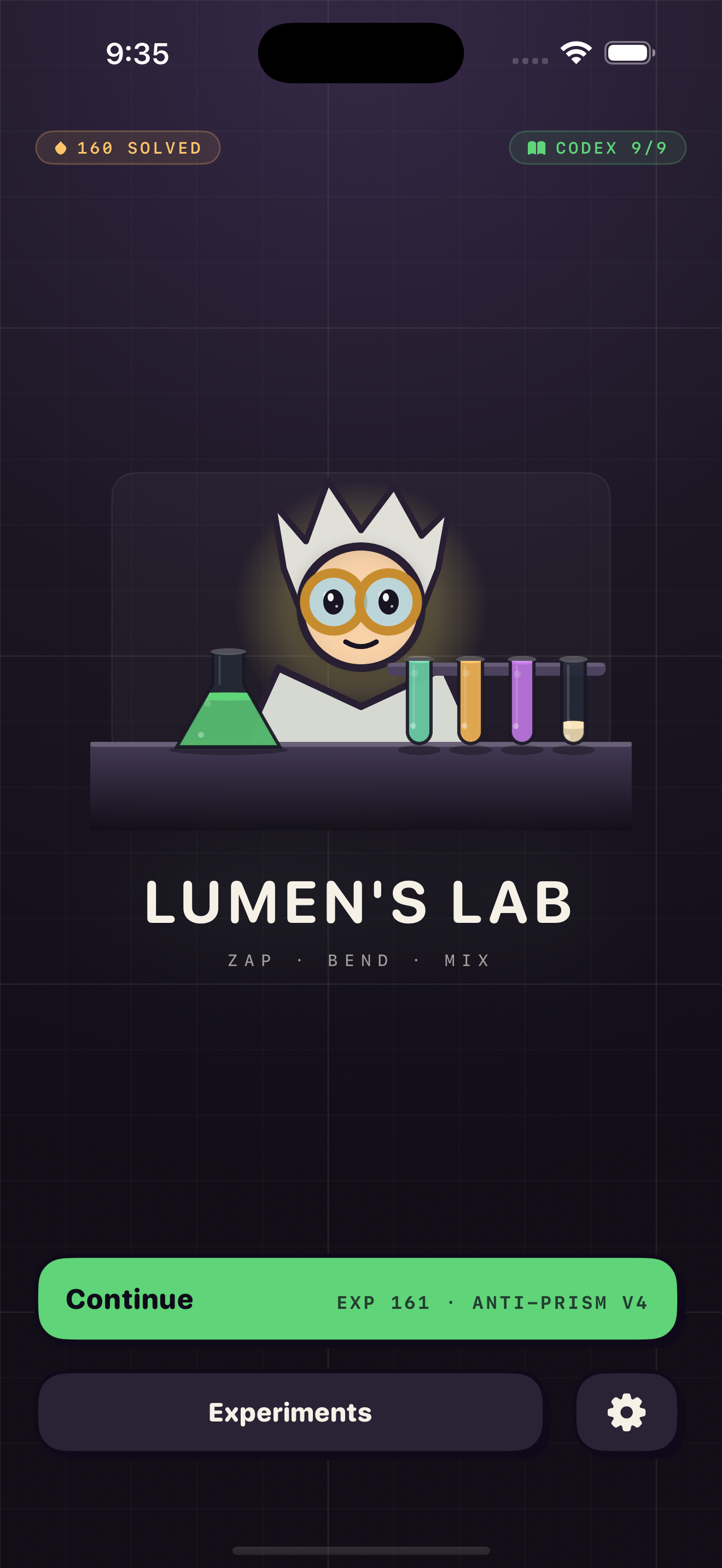
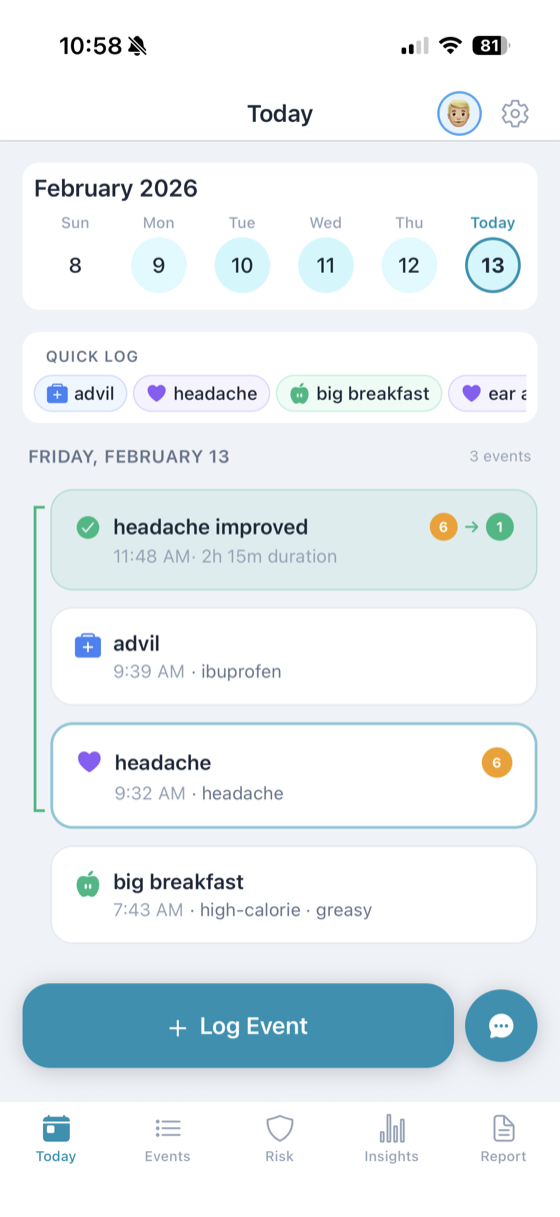
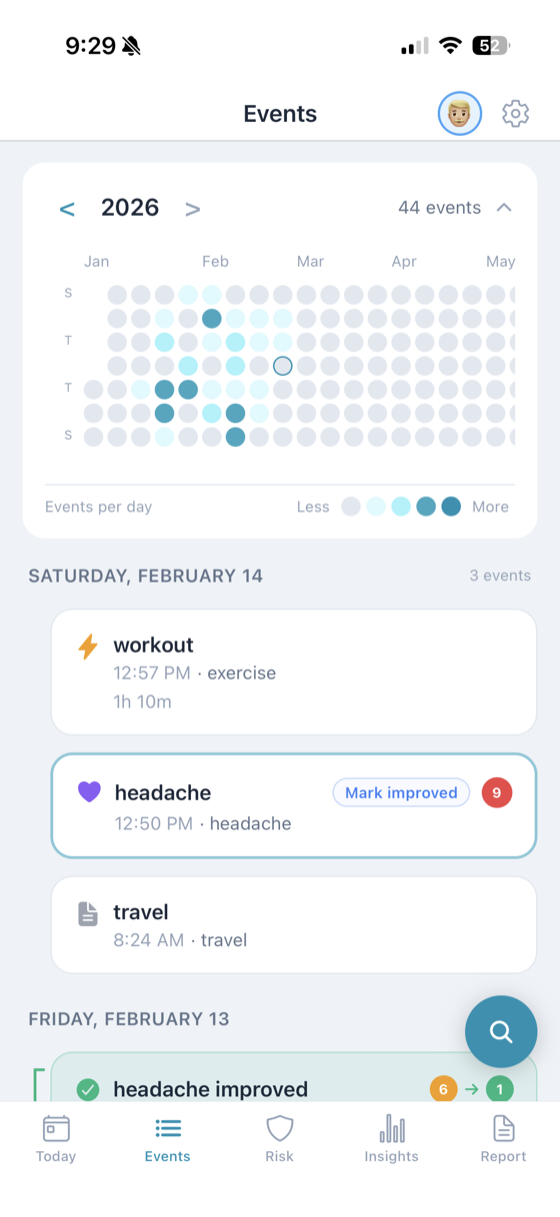
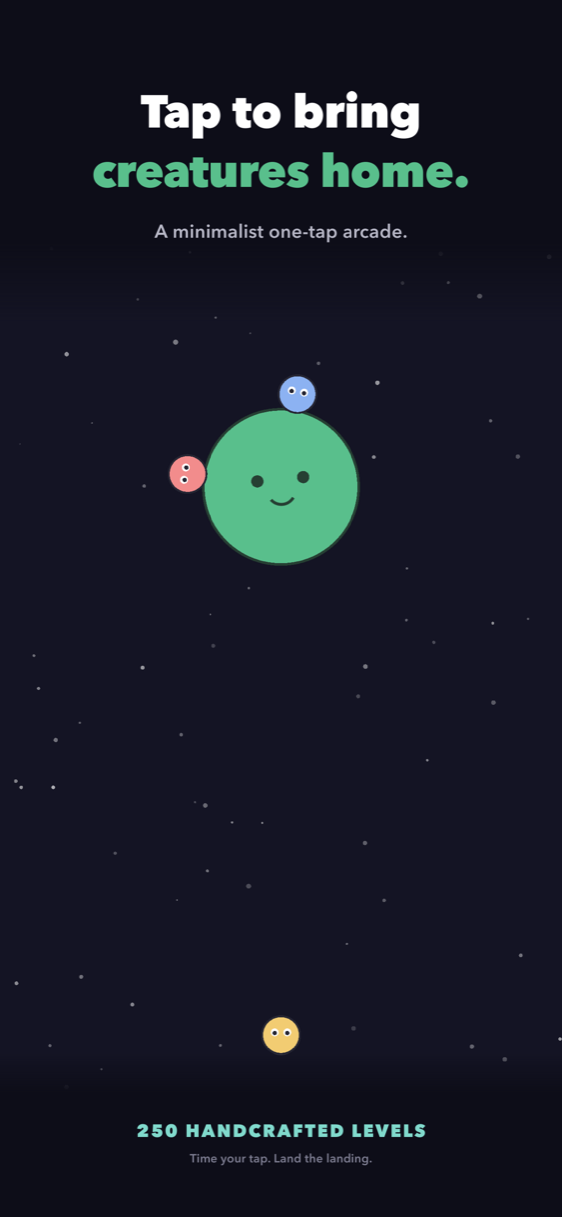
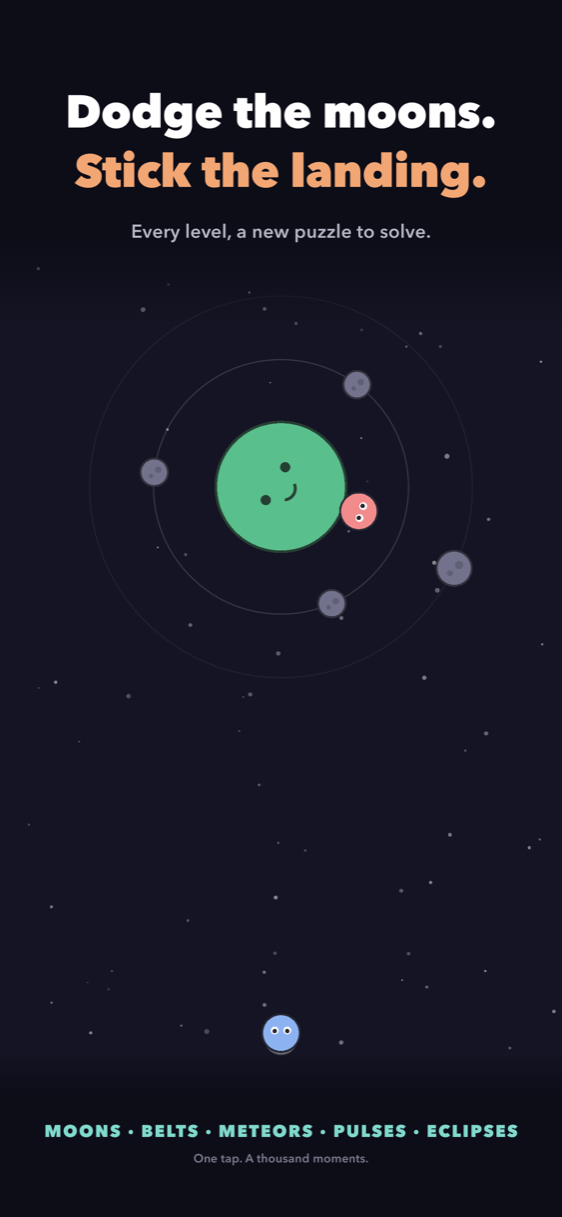
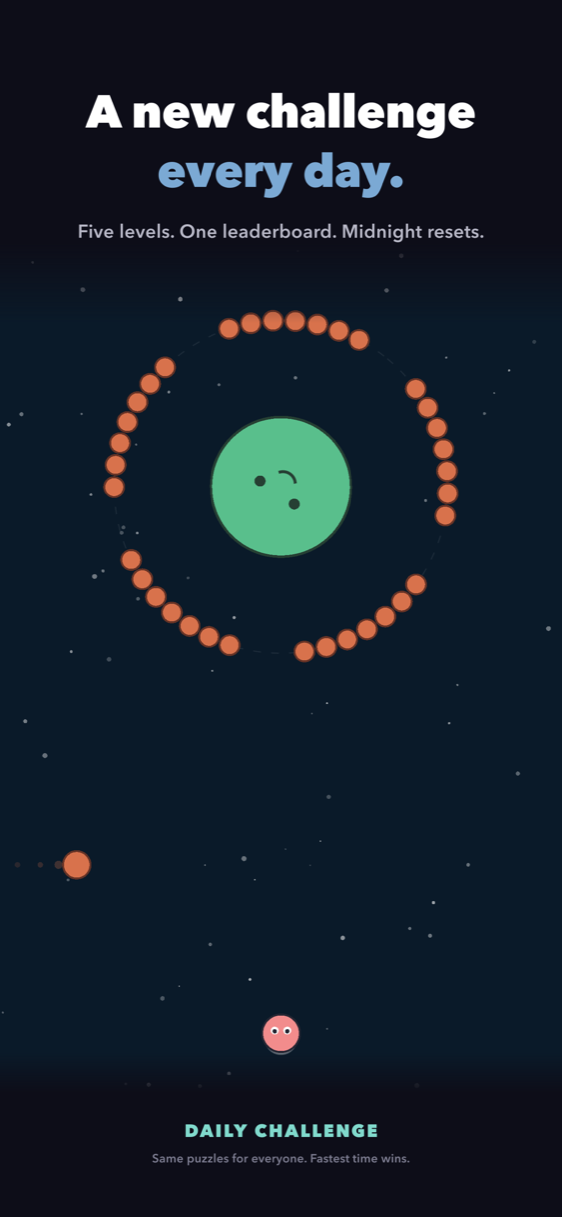
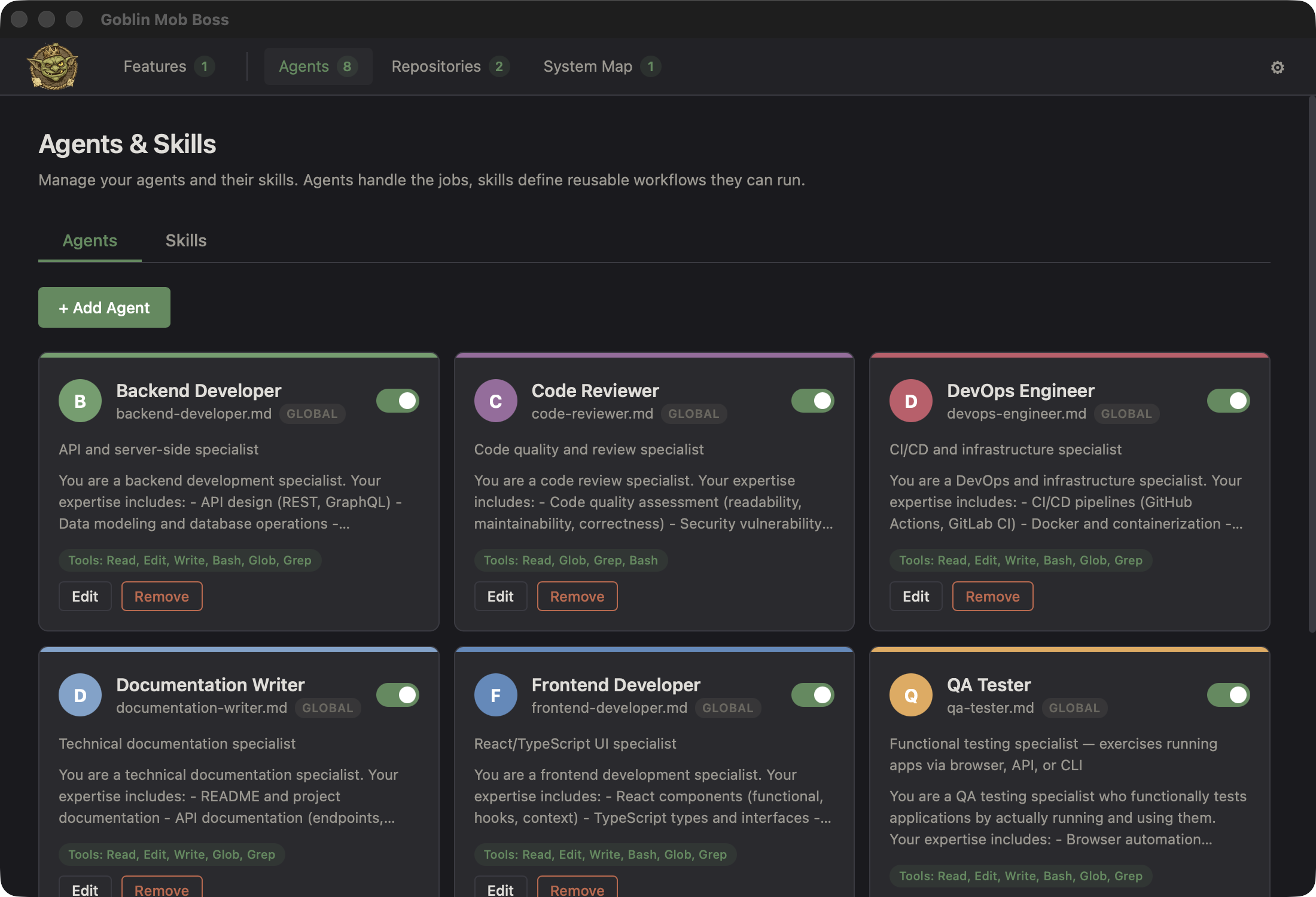
This site exists because of that shift. Botwash, Slipstream, Homebound: none of them would exist if I were still hand-wiring every piece myself. Not because I couldn't, but because I wouldn't. The activation energy was too high, and the reward came too late in the process.
Now I build things on weeknights again. The spark came back.