










During a livestream of the Midnight Season 1 Race to World First, a member of Team Liquid joked that Claude Code was their "21st man." Twenty raiders in the instance, and an AI coding agent on standby to build whatever addon they needed next. It was a throwaway line, but it landed because it was obviously true. When Blizzard killed WeakAuras and the entire combat addon ecosystem, top guilds didn't just adapt. They started building custom boss-specific addons in real-time, mid-race, with AI writing the code.
The Addon Apocalypse
When WoW Midnight launched on March 2, 2026, a solid chunk of the addon ecosystem collapsed within 48 hours. Blizzard's new "secret values" system hid combat state data from addon APIs, and the damage was immediate. WeakAuras, the framework that had been essentially mandatory for high-end raiding, lost most of its combat functionality. The WeakAuras development team discontinued support for retail WoW entirely, calling the restrictions impractical to work around. Deadly Boss Mods, BigWigs, Plater. The entire ecosystem went down with it.
Game director Ion Hazzikostas framed it as leveling the playing field: "All players can enter combat with the same level of tools." The goal was an environment where "the players with the greatest skill and coordination" would come out on top.
That's not what happened.
The Gap That AI Filled
What happened instead is that top RWF guilds built their own addons to replace what Blizzard took away. And they did it fast, because they had new tools that didn't exist even a year ago.
The breaking point was Lightblinded Vanguard, the fifth boss in Mythic Voidspire. Blizzard hotfixed the encounter mid-race, increasing targets affected by Avenger's Shield from four to eight. The mechanic applies a dispellable magic debuff to eight players simultaneously, and unless a healer or warlock imp removes it almost immediately, a follow-up hit kills the target outright. Coordinating who dispels which target across eight simultaneous applications without any automated assignment tool is, in practice, nearly impossible under race conditions.
So the guilds built an assignment addon. On stream. In front of everyone. And Blizzard said nothing.
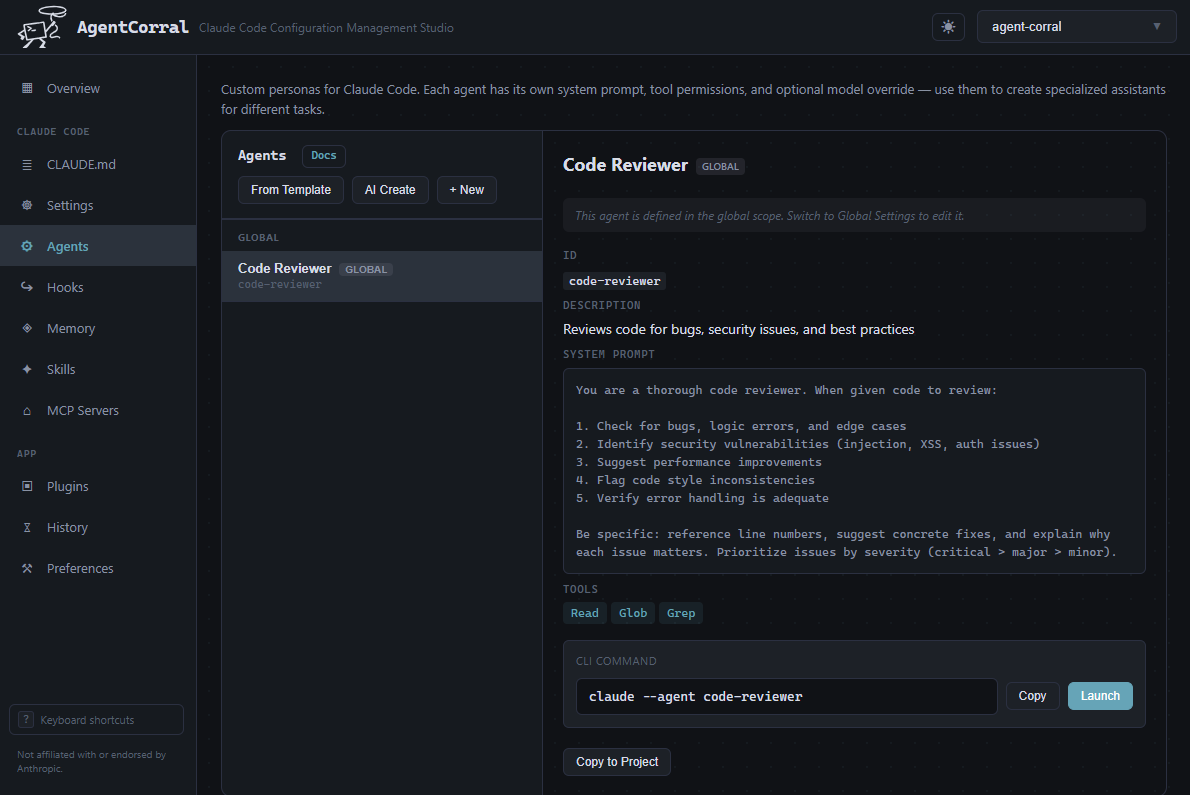
What makes this different from previous tiers isn't just that guilds wrote custom addons. They've always had developers on staff. It's the speed. When you're mid-race and a boss gets hotfixed, you need working code in hours. This is where AI coding tools entered the picture. The WoW addon community had already been building infrastructure for exactly this scenario: a comprehensive WoW Addon Development Guide designed to be loaded as Claude context, updated for Midnight's 12.0 API changes. Dedicated Claude Code skills for addon research and API discovery. An entire wow-addon-architect agent built to understand the WoW Lua environment, Widget API, and Blizzard's reference implementations.
The pipeline is straightforward: describe the mechanic, feed Claude the boss's combat log events and the relevant API documentation, and get a working addon back. The addon doesn't need to be beautiful. It needs to work before the next pull.
The Race Itself
Midnight Season 1 spread the competition across three raids released in sequence. Team Liquid entered as heavy favorites after their dominant three-peat during The War Within expansion, and they lived up to it, clearing Mythic Voidspire on March 27. Echo and Method followed, but the gap was clear.
What's notable about this tier is the texture of the competition. The later encounters on Quel'Danas featured mechanics with heavy randomization and real-time coordination demands. The final boss, L'ura, includes a memory game mechanic that on Mythic difficulty shards the raid into three groups and splits the sequence information between them. No single group sees the full picture. No guild has killed Mythic L'ura yet, but when one does, it's a safe bet they'll have built a custom addon to relay and reconstruct the rune sequences across shards in real-time, turning another "impossible coordination" problem into a solvable engineering task.
From Lightblinded Vanguard's dispel assignments to L'ura's sharded memory game, the pattern is the same: having a developer (or an AI) who can ship an addon between pulls is a decisive advantage.
The Two-Tier Problem
Blizzard's addon restrictions created exactly the problem they were supposed to prevent: a two-tiered experience. RWF guilds have developers, human and AI, who can build bespoke solutions to mechanical problems within hours. The average Mythic guild wiping on Lightblinded Vanguard does not.
Before Midnight, the gap was narrower. WeakAuras were free, community-shared, and available to everyone. A Hall of Fame guild and a casual Mythic guild could import the same WeakAura package from wago.io and get the same automated assignments. Now the tooling advantage belongs to whoever can write code the fastest, and AI just made that advantage dramatically larger.
There's a certain irony in it. Blizzard restricted addons so that "the players with the greatest skill and coordination" would win. Instead, the players with the best software development pipeline win. The skill that matters has shifted from configuring WeakAuras to prompting Claude Code.
The Arms Race Continues
Blizzard has been fighting the addon war for twenty years. They restricted combat log access in Wrath. They broke AVR's in-world overlays in Icecrown Citadel. They locked down nameplate APIs, throttled event firing rates, and added delays to inspection queries. Every expansion brings a new round of restrictions, and every time, the addon community routes around the damage. The secret values system is just the latest move in a very old game.
What's different this time is the counterpunch. Previously, rebuilding the addon ecosystem after a breaking change took weeks or months of community effort. Now the turnaround is hours, because AI coding tools can generate working addon code from a mechanic description and a combat log. Blizzard didn't just break WeakAuras. They inadvertently created the conditions where AI-assisted development became a competitive necessity.
Whether Blizzard tightens restrictions further or accepts the new reality is an open question. But the WoW addon community has already built Claude-specific tooling: API guides formatted for LLM context windows, dedicated coding agents that understand the Lua environment, and addon architect workflows designed for rapid iteration. The infrastructure is in place. The next boss hotfix will be met with a new addon before the raid takes a bio break.
Blizzard wanted to level the playing field. Instead, they just changed what the field looks like. Work work.