
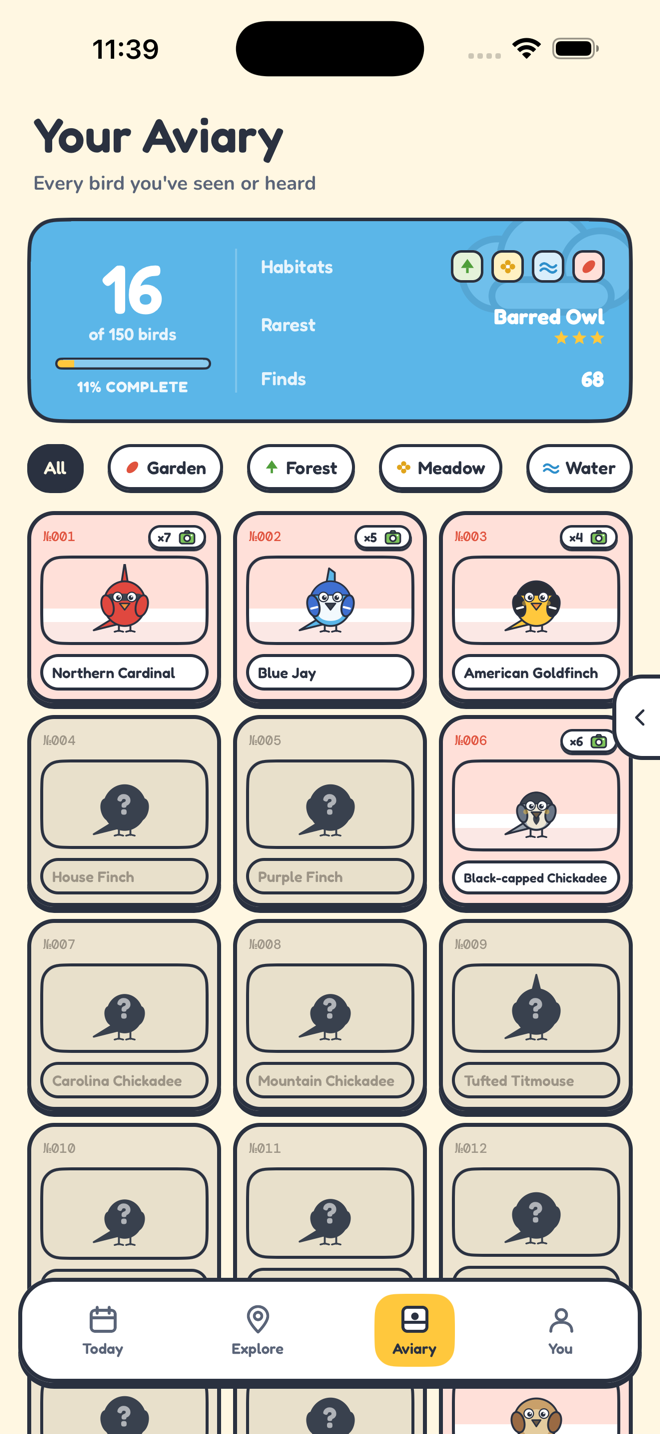
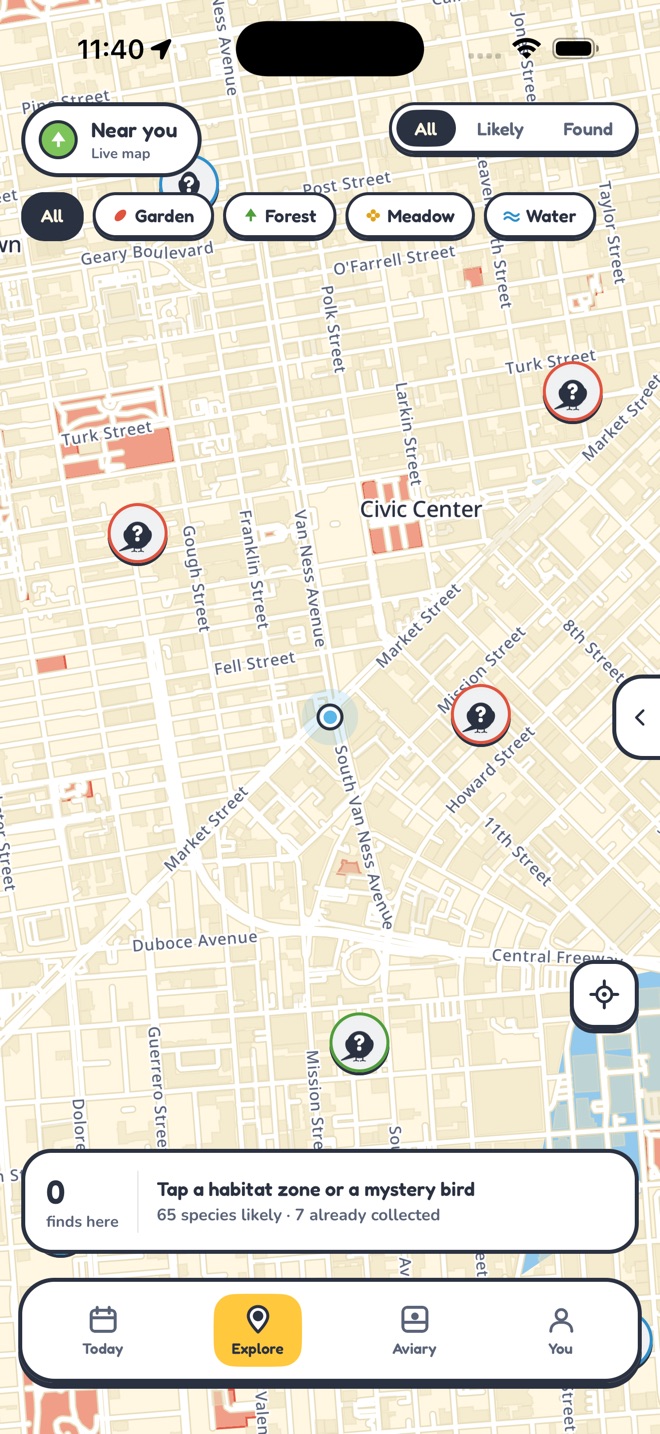

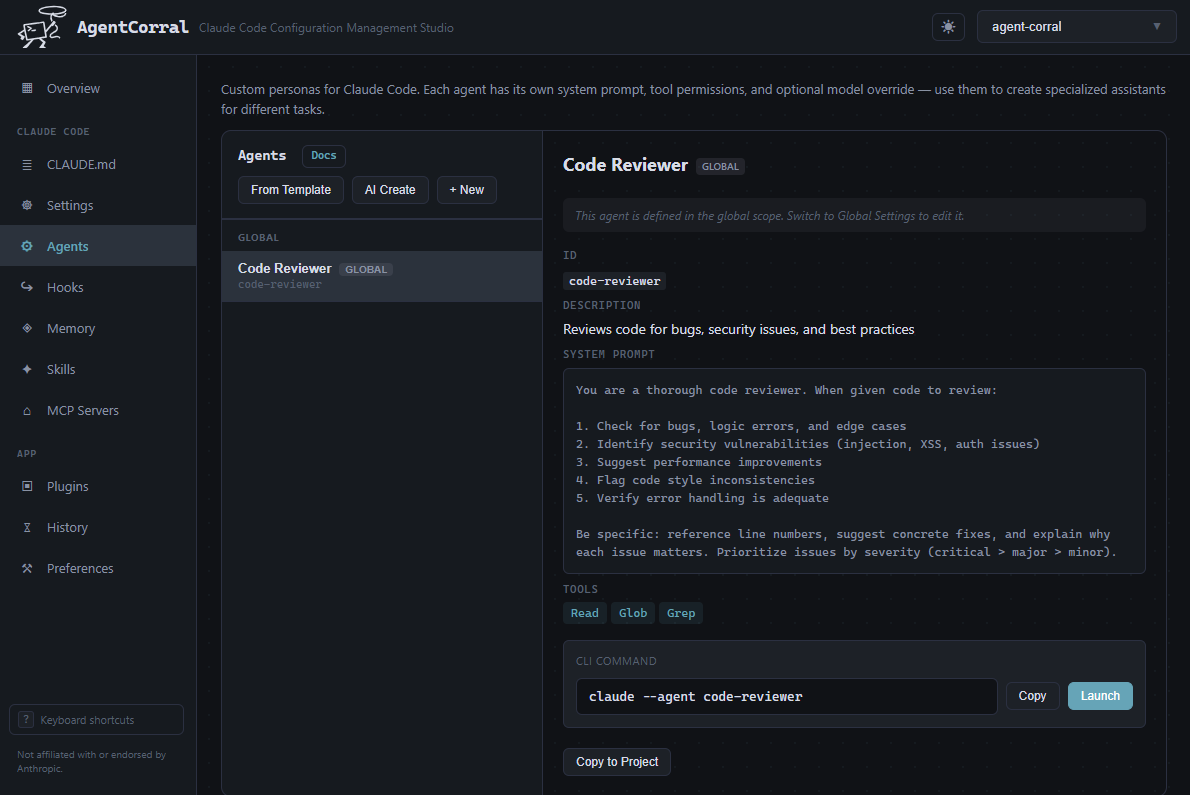
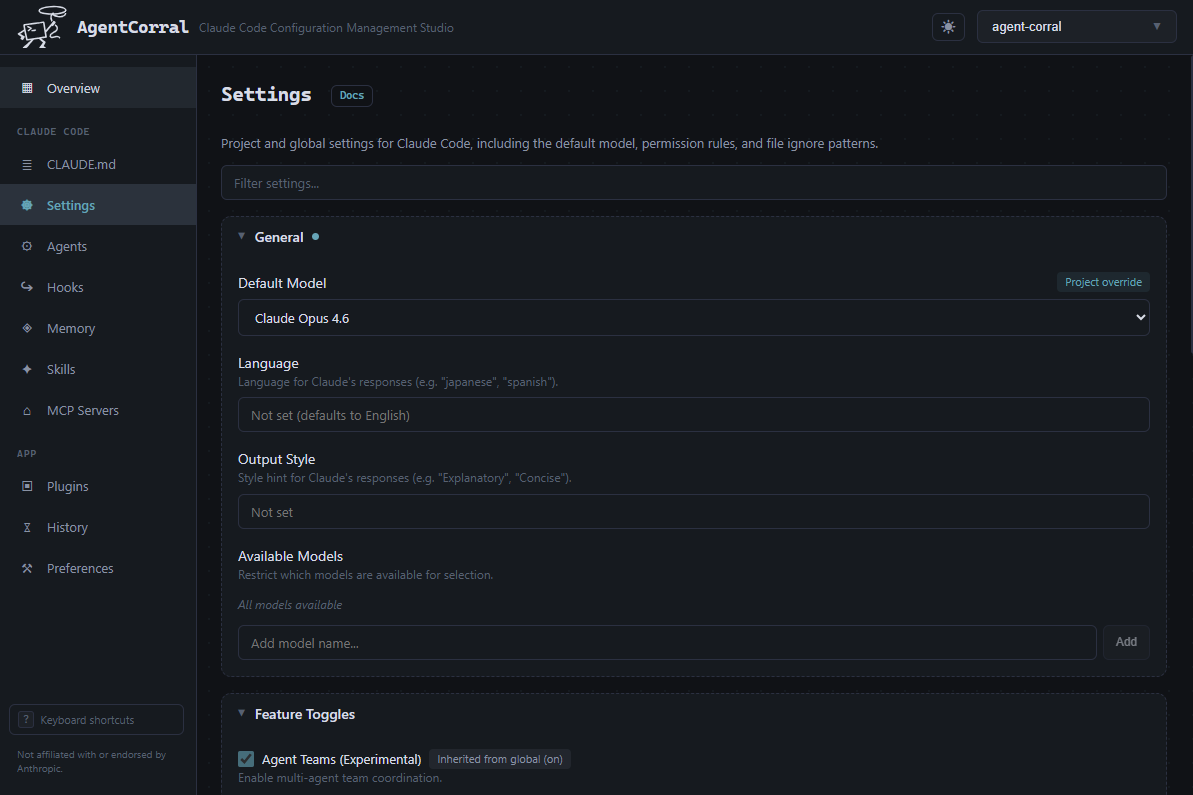

Over the weekend I noticed that three pretty different kinds of work, sketching a design, writing the code, and clearing a backlog of small admin tasks, had all happened inside the same company's products. I started a prototype in Claude Design on Saturday, handed the result to Claude Code the next day, and used Claude Cowork to update a batch of connector fields in a tool I'd been avoiding. None of that was planned. It was just what was easiest at each step, and I didn't notice the pattern until the weekend was mostly over.
I usually only notice my workflow when something goes wrong, so the fact that I was paying attention without anything breaking felt worth writing down.
Three Claudes
Anthropic shipped Claude Design on April 17, 2026, under a new Anthropic Labs label. It joined Claude Code, which crossed $1 billion in annualized revenue in November 2025 and is Anthropic's most visible foothold in developer tooling, and Claude Cowork, an agentic desktop assistant that moved from a January preview to general availability on macOS and Windows earlier this spring. The three products cover different stages of a working day, but they share a login, a design language, and a growing set of handoffs between them.
The handoffs are the part that changed the feel for me. Claude Design can read a company's codebase and design files so the mockups match your team's style, and when a prototype is ready you can package it as a bundle and point Claude Code at it. Whatever neither tool cares about, the ticket titles, the Notion pages, the small admin tasks that nobody wants to automate on their own, Cowork is willing to do. Before, I would have done each of those things in a different app, or not done them at all.
Design at the Front
I am not a designer. Opening Figma to sketch a simple idea usually costs me an hour I don't have. Claude Design is the first tool that's closed enough of that gap for me to actually use it. You describe what you want, it produces a prototype, and you can export the result as a PDF, a PPTX, a Canva file, a shareable URL, or a bundle for Claude Code. VentureBeat reported that Figma's stock dropped roughly 7% on the day Claude Design launched, which is one data point rather than a verdict, but it suggests the market took the announcement seriously.
What I care about isn't the prototype itself. It's that the prototype isn't a dead end. Most AI design tools stop at a mockup and leave the translation to a human, so you end up with a pretty image and a lot of unexplained decisions. Claude Design ships the mockup into the same place your code gets written, which removes a step I was previously doing badly.
Code in the Middle
I've written before about handing off most code writing to Claude Code, so I won't retread the personal history. On adoption, Anthropic's coding agent reached an estimated $2.5 billion run-rate by early 2026, which by most credible accounts is the fastest product ramp in enterprise software history. The Pragmatic Engineer's February 2026 survey of 15,000 developers put Claude Code's "most loved" rating at 46%, ahead of the other AI coding tools it compared.
What matters for the workflow, not the leaderboard, is that Claude Code now sits between design and production. Prototypes from Claude Design land in it as structured input, and it handles the implementation work around them, including config, dependencies, and the build tooling that used to eat my weekends. I wrote about how that shift changed my relationship with side projects in The Spark Came Back. That post was about one tool. This one is about what happens when the same company owns the step before and the step after.
Cowork at the Edges
Cowork is the piece most people haven't tried yet. Anthropic launched it as a preview in January, then moved it to general availability with OpenTelemetry support, role-based access controls, and admin analytics aimed at enterprise buyers. It is, roughly, Claude Code's approach pointed at everything that isn't code. You give it a goal, and it operates your computer, your files, and your applications until it has a deliverable.
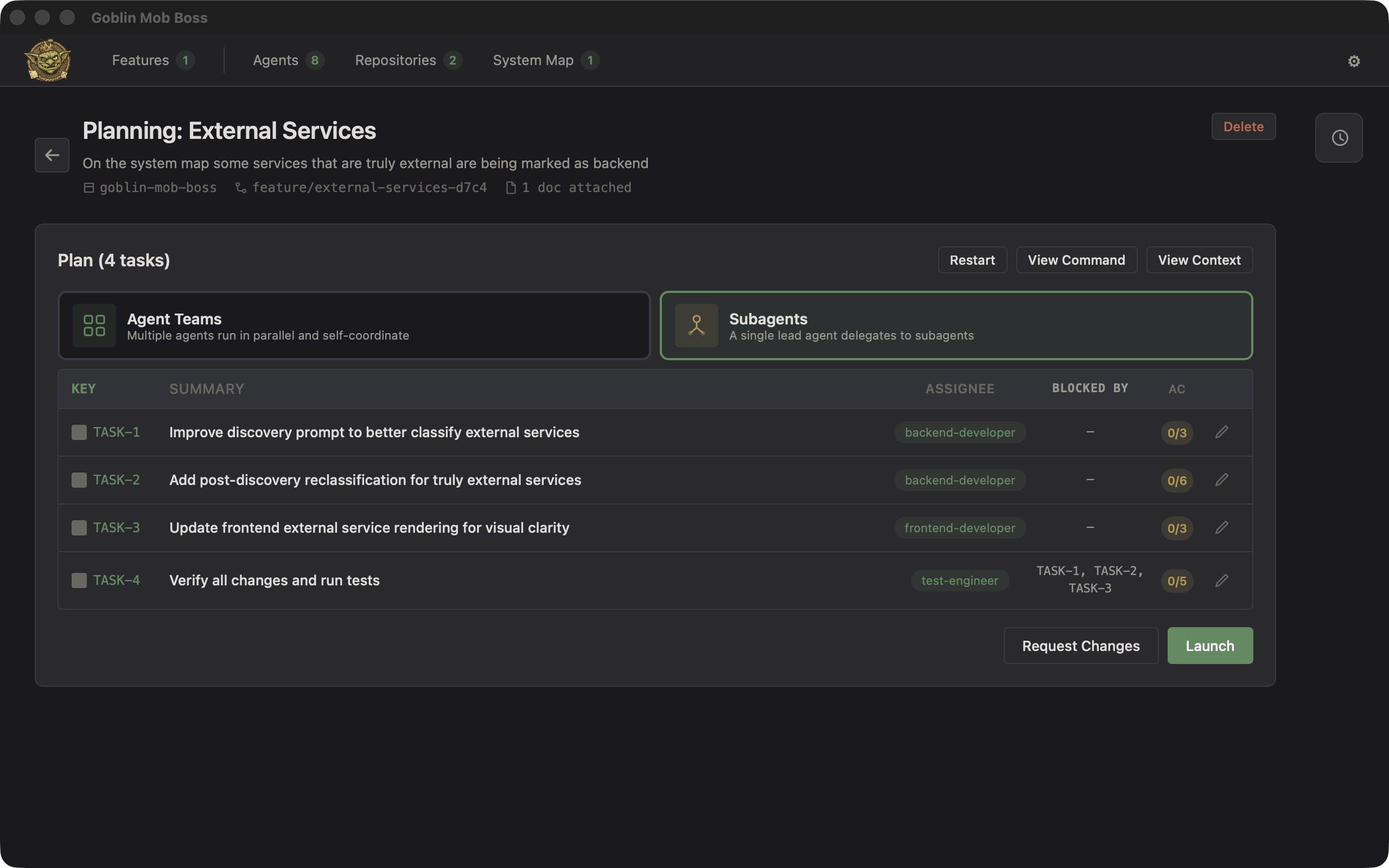
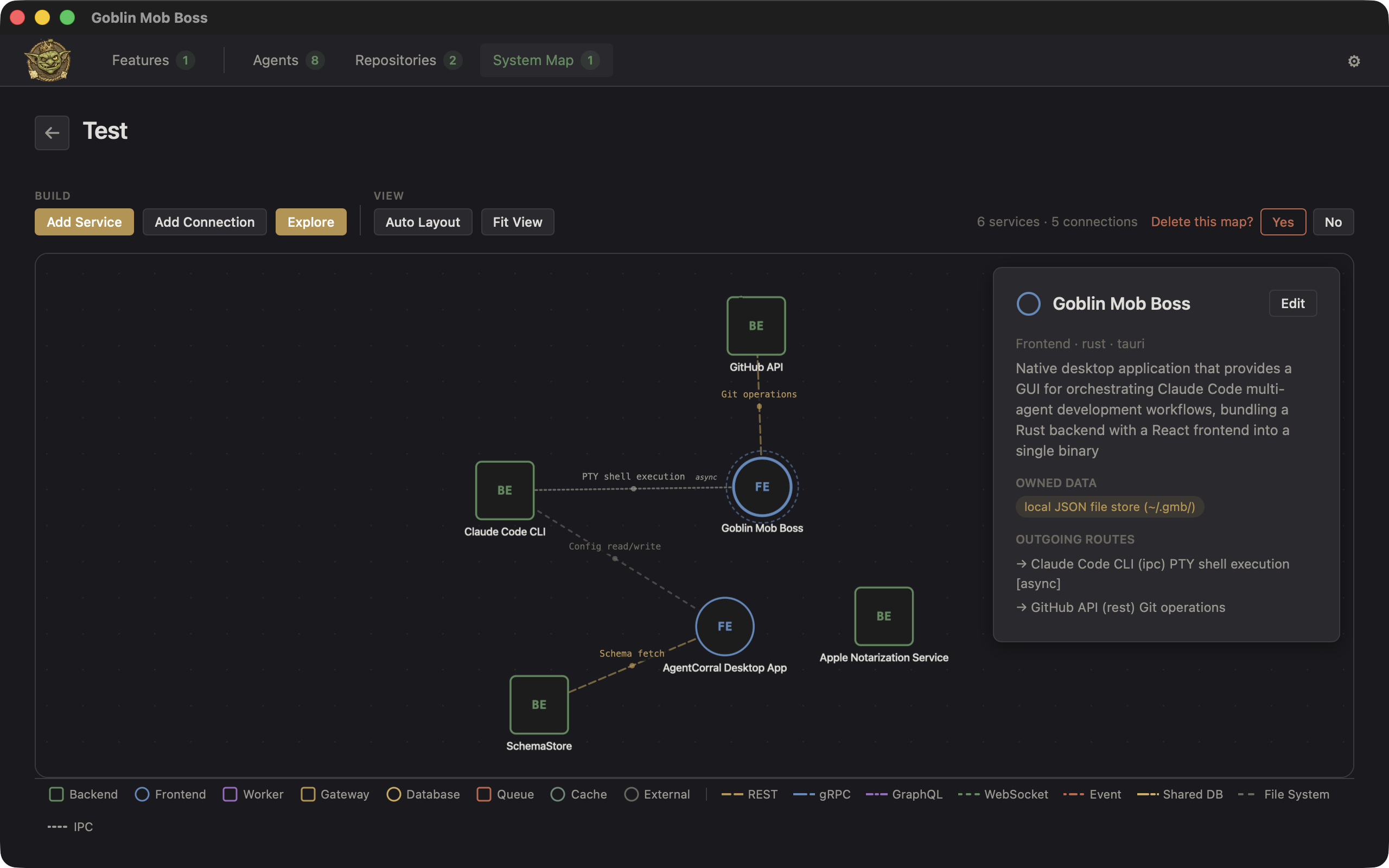
The example I keep coming back to is small and specific. An integration I maintain requires manually updating a handful of connector fields whenever a partner's API changes, and the whole exercise takes about twenty minutes of clicking through screens I don't want to learn. Cowork handles it in the background while I'm doing something else. It isn't a flashy use case, and it isn't what Anthropic markets, but it's the kind of work that quietly accumulates if you don't automate it, and Cowork is good enough at it that I've stopped putting it off.
The Shape of It
Put the three products next to each other and the shape is straightforward. The same company has a tool for the early thinking, a tool for the coding, and a tool for the administrative tail. Each one stands on its own, but stacked, they make moving to a competitor for any single step more expensive than it used to be, because you'd also be giving up the handoffs between steps.
Anthropic reports that around 70% of the Fortune 100 are customers, and that roughly 80% of its revenue comes from enterprise and developer workloads. Those numbers used to read like a list of independent SKUs. They now read more like one integrated bet, and the question for competitors isn't whether any single Claude product wins on a given day, but whether anyone else is coordinating the pieces with this much intent.
I'll keep using other tools when they're better. But on anything that crosses a handoff, I expect I'll keep reaching for the Claude one first, because the next step is already warm, and the friction of leaving has quietly gotten higher than I realized.